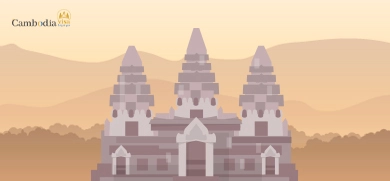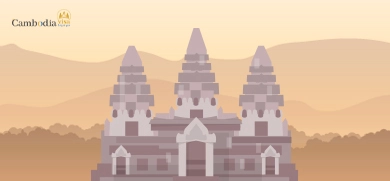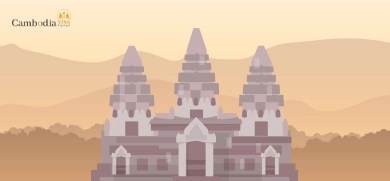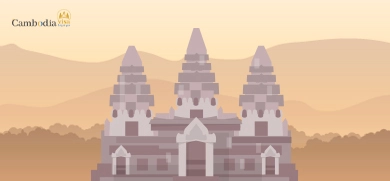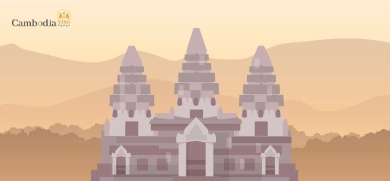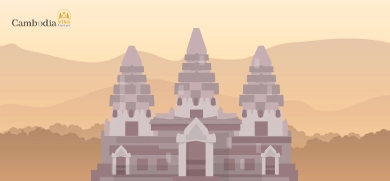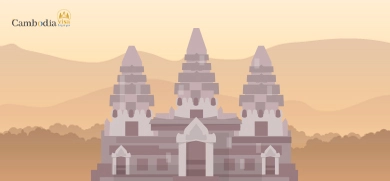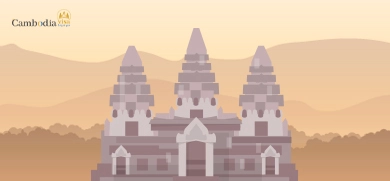

Cambodia, officially known as the Kingdom of Cambodia, is one of Southeast Asia’s most enchanting destinations. From the ancient wonders of Angkor Wat to the bustling capital of Phnom Penh, Cambodia offers travelers a mix of rich culture, vibrant traditions, and warm hospitality. Before you plan your journey, it’s essential to understand the country’s history, lifestyle, and travel requirements — especially how to apply for a Cambodia Visa efficiently and securely.
About Cambodia
Located in the heart of Southeast Asia, Cambodia shares its borders with Thailand, Vietnam, and Laos. Its capital, Phnom Penh, is the nation’s political and cultural hub — home to the majestic Royal Palace, Silver Pagoda, and the lively Central Market.
Cambodia’s landscape is a blend of lush countryside, ancient temple ruins, tropical beaches, and historical landmarks that tell tales of the Khmer Empire — once one of the most powerful civilizations in Asia.
Language, Population, and Religion
Official Language
The Khmer language is the official and most widely spoken language of Cambodia. While Khmer dominates daily communication, English has become increasingly common, especially in tourism, business, and education. French, once the colonial language, is still taught in some institutions and spoken by older generations.
Population Overview
As of 2026, Cambodia’s population is estimated at around 17.2 million people, with a youthful demographic — nearly half under the age of 25. The majority are ethnic Khmer, with minorities including Vietnamese, Chinese, and Cham communities.
This youthful population represents the country’s resilience and growth after the dark years of the Khmer Rouge era, transforming Cambodia into a nation of progress and optimism.
Religion in Cambodia
Theravada Buddhism is the dominant religion, practiced by about 95% of Cambodians. The country’s spiritual landscape is dotted with beautiful pagodas and monasteries, reflecting Buddhist values of peace and mindfulness.
Mahayana Buddhism and Islam are also followed by some ethnic minorities, particularly among the Cham and Chinese populations.
Tourism and Currency in Cambodia
Major Tourist Attractions
Tourism is one of Cambodia’s largest industries, drawing millions of international travelers every year. Some must-visit destinations include:
-
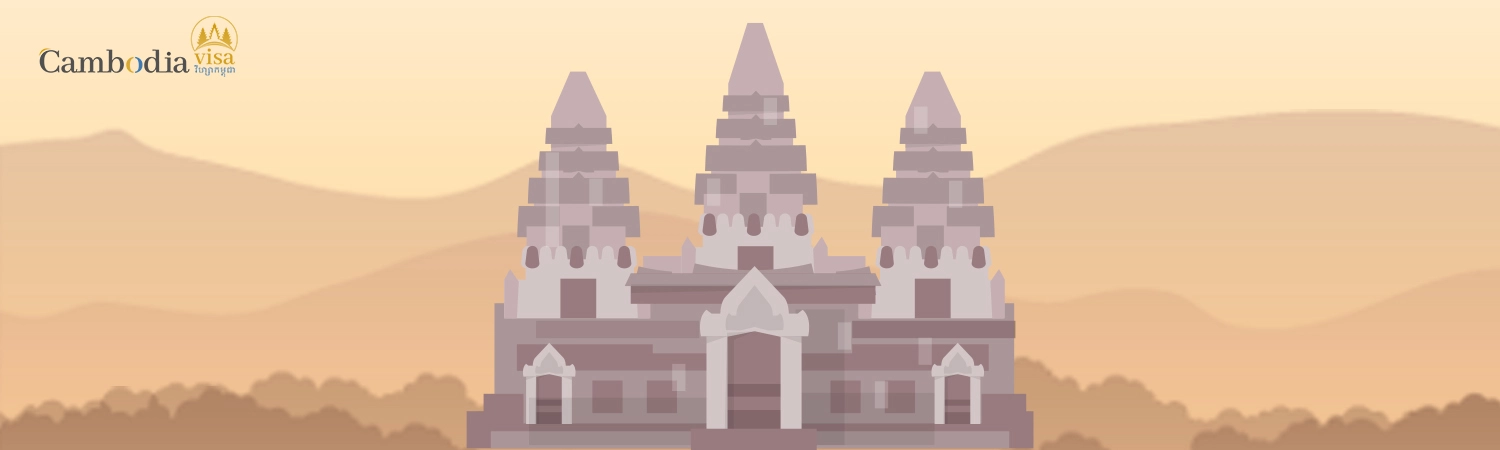
Angkor Wat, Siem Reap: The world’s largest religious monument and a UNESCO World Heritage site.
-
Phnom Penh: Home to the Royal Palace, the National Museum, and the Independence Monument.
-
Sihanoukville: A coastal paradise known for its white-sand beaches and islands.
-
Battambang: Famous for its French colonial architecture and bamboo train.
-
Tonlé Sap Lake: Southeast Asia’s largest freshwater lake, known for its floating villages.
Currency and Exchange Information
The Cambodian Riel (KHR) is the official currency, but the US Dollar (USD) is widely accepted for convenience. Many ATMs dispense dollars, and prices are often listed in USD. Typically, 1 USD equals around 4,000 KHR, making Cambodia a budget-friendly destination for most travelers.
Tip: When paying in cash, smaller bills are handy since change is often given in riels.
Fascinating Facts About Cambodia
Cambodia’s Unique Flag
Cambodia is the only country in the world whose national flag features a building — the iconic Angkor Wat temple. The image symbolizes the nation’s cultural heritage, pride, and spiritual legacy.
The Land of Over 4000 Temples
Archaeologists have identified more than 4,000 temples across Cambodia, each telling stories of ancient Khmer artistry and devotion. Beyond Angkor Wat, sites like Bayon, Ta Prohm, and Banteay Srei are awe-inspiring reminders of the empire’s grandeur.
The Use of Two Currencies
Cambodia’s dual-currency system allows both US Dollars and Cambodian Riels to circulate seamlessly. Tourists can pay in USD almost everywhere, but expect change in riels — a quirky aspect of the Cambodian economy.
Tuk-Tuks – Cambodia’s Favorite Ride
A trip to Cambodia isn’t complete without a tuk-tuk ride! These three-wheeled vehicles are an affordable and enjoyable way to explore the streets, markets, and temples while experiencing local life up close.
The Evolution of Cambodia’s Name
Over the last century, Cambodia’s name has changed several times, from the Kingdom of Cambodia to the Khmer Republic, then Democratic Kampuchea, and finally returning to The Kingdom of Cambodia. Each name reflects a distinct era in the nation’s journey through history.
How to Apply for a Cambodia Visa
Applying for a Cambodia Visa in 2026 is easier than ever with the digital application system. Follow these simple steps:
-
Visit the official visa application portal
-
Fill in the application form with accurate personal and travel details.
-
Upload the required documents, including a recent passport-sized photo and a valid passport copy (minimum six months validity).
-
Pay the visa fee online using a secure payment method.
-
Receive your e-Visa via email within a few business days.
-
Print your e-Visa and present it upon arrival at Cambodian immigration.
Tip: Always double-check your application details before submission to avoid processing delays.
Why Apply Through Our Professional Cambodia Visa Service
While travelers can apply independently, using our trusted Cambodia Visa service ensures:
-
100% accurate application review to prevent rejection.
-
Fast and secure processing by experts familiar with Cambodian entry policies.
-
Dedicated support to resolve any issues or document queries.
-
Peace of mind knowing your visa is handled by professionals.
Avoid unofficial websites or unreliable agents who might misuse personal data or overcharge. With us, your Cambodia Visa application is in safe hands.
Final Thoughts
Cambodia is a land of timeless beauty, warm hospitality, and extraordinary heritage. From exploring the ancient temples of Angkor Wat to experiencing local festivals and cuisine, every traveler leaves with unforgettable memories.
Prepare for your adventure by securing your Cambodia Visa today through our reliable and fast online service — and step into a world where history, spirituality, and nature meet in harmony.