
Cambodia, the “Kingdom of Wonder,” is a country steeped in ancient history, spirituality, and resilience. From the grand temples of the Khmer Empire to poignant memorials of the recent past, Cambodia’s historical landmarks tell stories that shaped Southeast Asia’s culture and identity.
If you’re planning a trip to this beautiful country in 2026, this guide will help you discover Cambodia’s most iconic historical places and show you how to apply for your Cambodia Visa quickly and easily.
Introduction to Cambodia’s Rich History and Culture
Cambodia’s landscape is a mix of low-lying plains, tropical forests, and a coastline along the Gulf of Thailand. Its capital, Phnom Penh, is famous for the Royal Palace, Silver Pagoda, and vibrant art deco Central Market.
The nation’s cultural heart beats through its Khmer heritage — from magnificent temple ruins to French colonial towns and sacred mountains. Whether you’re an adventure seeker, historian, or spiritual traveler, Cambodia offers a unique blend of past and present waiting to be explored.
Must-Visit Historical Places in Cambodia
Angkor Wat – The Crown Jewel of the Khmer Empire
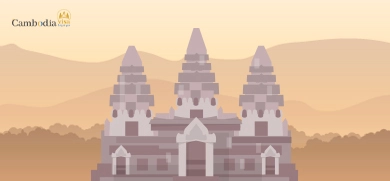
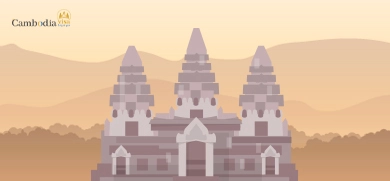
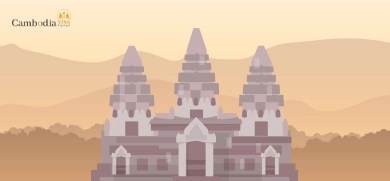
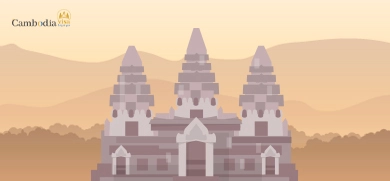
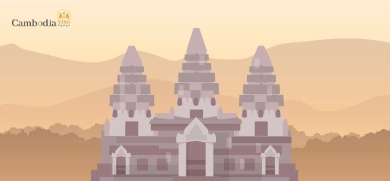
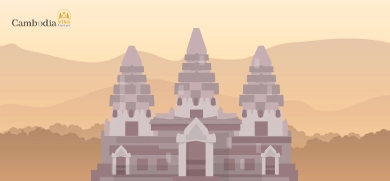
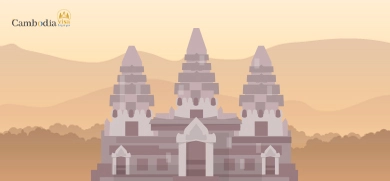
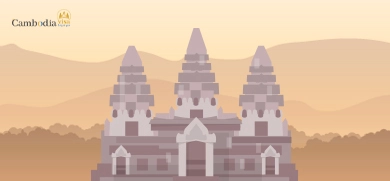
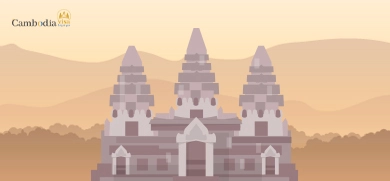
No journey through Cambodia is complete without visiting Angkor Wat, the largest religious monument in the world. Built in the 12th century by King Suryavarman II, it originally served as a Hindu temple dedicated to Vishnu before becoming a Buddhist sanctuary.
The temple complex, spanning over 400 square kilometers, includes breathtaking sites like Bayon Temple with its smiling stone faces and Ta Prohm, famously embraced by tree roots. The sunrise over Angkor Wat is one of the most mesmerizing sights on Earth, attracting millions of visitors annually.
Preah Vihear – The Sacred Mountain Temple
Situated atop a 525-meter cliff in the Dângrêk Mountains, Preah Vihear Temple symbolizes the spiritual connection between heaven and earth. Built between the 9th and 12th centuries, it is dedicated to the Hindu god Shiva.
The temple has long been a point of pride and contention between Cambodia and Thailand but remains a UNESCO World Heritage Site since 2008. Today, it offers panoramic views of the surrounding countryside and stands as a monument to Khmer architectural brilliance.
Phnom Kulen – The Birthplace of the Khmer Empire
Known as the most sacred mountain in Cambodia, Phnom Kulen National Park is revered as the birthplace of the Khmer Empire. It was here, in 802 AD, that King Jayavarman II declared himself a devaraja (god-king), uniting the Khmer people.
Visitors can hike to see the River of a Thousand Lingas, ancient carvings along the riverbed symbolizing fertility and blessings, as well as the reclining Buddha statue and Kulen waterfalls — a favorite spot for locals during festivals.
Kep – The Seaside Town of Cambodia’s Golden Era
The coastal town of Kep, once known as Kep-sur-Mer, was the glamorous retreat for the elite during Cambodia’s 1950s and 1960s Golden Age. Designed by architect Vann Molyvann, the town featured modernist villas overlooking the sea.
Today, Kep offers a nostalgic glimpse into its luxurious past, mixed with tranquil beaches, lush national parks, and the famous Kep Crab Market, where visitors can enjoy fresh seafood while watching the sunset over the ocean.
Bokor Mountain – A Glimpse of French Colonial Grandeur
Just 40 kilometers from Kampot, Bokor Mountain provides a fascinating look into French colonial history. The site includes the Bokor Palace Hotel, a hauntingly beautiful relic from the 1920s, and a Catholic church used by French settlers.
A drive up the misty mountain reveals breathtaking views of the Gulf of Thailand and Phu Quoc Island (Vietnam). Today, the area also features modern resorts, but its ghostly ruins still carry the charm of a bygone era.
Choeung Ek – The Memorial of the Killing Fields
Choeung Ek, located about 20 kilometers from Phnom Penh, stands as a solemn reminder of Cambodia’s tragic history under the Khmer Rouge regime (1975–1979). Over 8,000 skulls and remains of victims are preserved in a memorial stupa.
An audio-guided tour shares survivors’ stories and historical insights, making it one of the most emotional yet essential sites to understand Cambodia’s journey toward peace and healing.
Phnom Sampeau – The Hill of Tragedy and Natural Wonder
Located 11 kilometers from Battambang, Phnom Sampeau is both a spiritual and historical site. Its Killing Caves house memorials for victims of the Khmer Rouge, while the hilltop pagoda offers panoramic views of the countryside.
Each evening, thousands of bats emerge from the cave’s mouth, creating a breathtaking natural spectacle — a reminder of life’s continuity amid sorrow.
How to Apply for a Cambodia Visa (Step-by-Step Guide)
Before exploring these historical sites, ensure you have your Cambodia Visa ready. The process is quick and straightforward in 2026:
-
Visit the official Cambodia Visa page.
-
Complete the online application form with your personal and travel details.
-
Upload required documents (passport photo and valid passport).
-
Pay the visa fee online via debit/credit card.
-
Receive your eVisa via email within 2–3 business days and carry a printed copy while traveling.
With an approved Cambodia eVisa, you can enter the country through multiple designated airports and border checkpoints with ease.
Why Use Professional Visa Assistance for Cambodia Travel
Applying through a professional visa service ensures:
-
Error-free applications reviewed by experts.
-
Secure payment and document handling.
-
Real-time tracking and 24/7 customer support.
-
Hassle-free approval without embassy visits.
Avoid common risks like incorrect documentation, unverified third-party agents, or processing delays by choosing a trusted Cambodia Visa platform for smooth travel planning.
Tips for Exploring Cambodia’s Historical Sites Responsibly
-
Dress modestly when visiting temples or religious sites.
-
Carry local currency (Cambodian Riel) for small purchases and donations.
-
Respect memorials and restricted areas, especially at genocide sites.
-
Hire local guides to gain deeper cultural insights.
-
Travel sustainably — avoid littering and support local artisans or businesses.
Conclusion
Cambodia’s historical sites are more than tourist attractions — they are living chapters of human history, spirituality, and resilience. From the grandeur of Angkor Wat to the emotional depth of Choeung Ek, every destination tells a powerful story.
Make your journey unforgettable. Apply for your Cambodia Visa today and step into the timeless wonders of the Kingdom of Cambodia.